

| Category | Wart Removal |
Warts are small, raised skin growths that commonly develop due to infection with certain types of human papillomavirus (HPV). They may appear on the hands, feet, face, or other parts of the body. Although many warts are harmless, they can cause discomfort, spread to other areas, or become a cosmetic concern. Seeking professional Wart Removal in Greater Kailash can help identify the growth and determine an appropriate treatment option.
Dr. Sirisha Singh is a dermatologist and cosmetologist with qualifications in Dermatology, Venereology and Leprosy and additional clinical training in the United Kingdom. She offers dermatological care for various skin concerns, including wart removal, with treatment recommendations based on the type, location, and characteristics of the skin growth.
Warts are non-cancerous skin growths caused by certain strains of HPV. The virus affects the outer layer of the skin and can cause rough, firm, or raised bumps. Warts may vary in size, shape, and appearance depending on their location.
Common types include:
A dermatologist can examine a suspected wart and distinguish it from other skin growths that may require different care.
Warts develop when certain types of HPV enter the skin, often through small cuts or breaks. The virus can spread through direct contact or contaminated surfaces, particularly in warm, moist environments.
Factors that may increase the likelihood of developing warts include:
Not every person exposed to HPV develops warts, and the time between exposure and the appearance of a wart can vary.
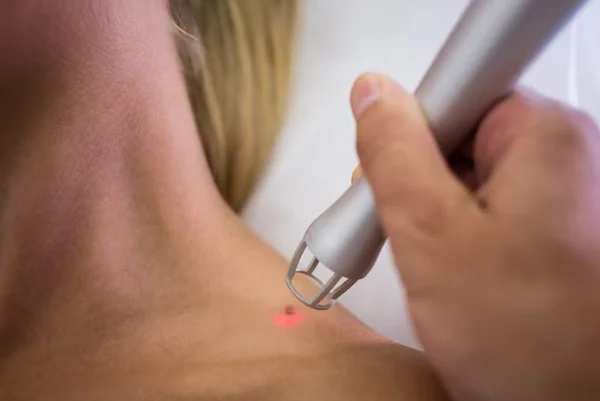
The appropriate method for Wart Removal in Greater Kailash depends on the wart's size, number, location, and type, as well as the patient's medical history and skin characteristics.
Cryotherapy: This procedure uses extreme cold, usually liquid nitrogen, to destroy the affected tissue. Several sessions may be required, depending on the wart and its response to treatment.
Electrosurgery: In selected cases, controlled electrical energy may be used to destroy wart tissue. The suitability of this approach depends on the growth's characteristics and location.
Curettage or Minor Removal Procedures: Certain warts may be removed using specialised instruments when clinically appropriate. The procedure is selected after considering the potential for discomfort, scarring, and recurrence.
Topical Treatments: Medications containing ingredients such as salicylic acid may be recommended for suitable warts. These treatments may require consistent use and are not appropriate for every body area.
The choice of treatment should follow a clinical assessment. Warts can sometimes recur even after successful removal because the underlying viral infection may persist in surrounding skin.
Professional evaluation and treatment can offer several benefits:
Treatment outcomes depend on the type of wart, its location, and individual response. Some warts require more than one treatment session.
Dr. Sirisha Singh holds an MBBS and an MD in Dermatology, Venereology and Leprosy, along with a postgraduate diploma in Clinical Dermatology from Queen Mary's, London. Her professional experience includes working as a physician and dermatologist with the NHS in the United Kingdom and practising dermatology and cosmetology in New Delhi.
Her dermatological background supports the assessment of skin growths and the selection of appropriate treatment options. A personalised approach helps ensure that the location, size, and nature of the wart are considered before treatment is recommended.
Patients seeking Wart Removal in Greater Kailash can consult Dr. Singh to discuss their skin concerns and understand suitable options for managing unwanted warts.
Consider a consultation if a skin growth is painful, bleeding, changing in appearance, spreading, or failing to improve. You should also seek professional advice if the growth is on your face or genital area, or if you are unsure whether it is a wart.
Avoid cutting, burning, or applying harsh chemicals to a skin growth at home. These methods can cause burns, infection, or scarring and may delay the diagnosis of a different skin condition.
If you have an unwanted skin growth, a dermatology consultation can help establish what it is and whether removal is appropriate. Dr. Sirisha Singh provides care for various dermatological concerns and can discuss treatment options according to individual needs.
Contact the clinic to enquire about Wart Removal in Greater Kailash and arrange a consultation.
The best treatment depends on the wart's type, size, and location. Options may include cryotherapy, topical medications, electrosurgery, or minor removal procedures following a dermatologist's assessment.
The level of discomfort varies by treatment method and the location of the wart. Some procedures may cause temporary stinging, tenderness, or irritation.
Yes. Warts can recur because HPV may remain in the surrounding skin. Some patients may need additional treatment or follow-up.
The number of sessions depends on the wart's size, type, and response to treatment. Some warts improve after one procedure, while others require multiple sessions.
Yes. Certain types of HPV that cause warts can spread through direct contact or contaminated surfaces. Avoid picking warts and sharing personal items that come into contact with affected skin.
Consider consulting a dermatologist if a wart is painful, spreading, recurring, bleeding, or causing cosmetic concerns. Professional assessment can help determine the diagnosis and an appropriate treatment plan.


