

| Category | Laser Hair Reduction |
Unwanted facial hair is a common concern that can affect people of different ages and skin types. Frequent waxing, threading, shaving, and plucking may require regular maintenance and sometimes cause irritation, ingrown hairs, or skin sensitivity. Facial laser hair removal offers a longer-term hair reduction option by targeting hair follicles with concentrated light energy.
Dr. Sirisha Singh is a dermatologist and cosmetologist with specialist qualifications in Dermatology, Venereology and Leprosy and additional clinical training in the United Kingdom. Patients considering Laser Hair Removal for Face in Greater Kailash can seek a professional skin assessment to understand the procedure, its suitability, and the expected results.
Facial laser hair removal is a cosmetic procedure that uses concentrated light energy to target the pigment in hair follicles. The absorbed energy helps reduce the follicles' ability to produce hair over time.
The treatment may be considered for areas such as the upper lip, chin, cheeks, sideburns, and jawline. The appropriate treatment area depends on individual concerns, hair growth patterns, skin tone, and clinical suitability.
Laser hair removal generally provides long-term hair reduction rather than guaranteed permanent removal of every hair. Multiple sessions are usually needed because hair grows in different cycles.
People may explore facial laser hair removal for several reasons, including:
Sudden or excessive facial hair growth, particularly when accompanied by irregular periods or other hormonal symptoms, may require medical evaluation to identify an underlying cause.
When performed with appropriate equipment and settings, facial laser hair removal may offer several benefits.
Long-Term Hair Reduction: Repeated sessions can reduce hair growth and make regrowth finer or less noticeable in many patients.
Reduced Maintenance: Patients may need less frequent threading, waxing, or shaving after completing an appropriate course of treatment.
Smoother Skin: Reducing unwanted hair can help create a smoother-looking skin surface.
Potentially Fewer Ingrown Hairs: Laser treatment may help reduce ingrown hairs associated with repeated shaving or waxing.
Customised Treatment: Treatment settings can be selected according to skin tone, hair characteristics, and the area being treated.
Results vary, and some patients require maintenance sessions to manage regrowth.
A facial laser hair removal session generally involves several steps.
Skin Assessment: The dermatologist or trained practitioner assesses the skin, hair colour, hair thickness, medical history, and any relevant skin conditions.
Preparation: The treatment area is prepared according to the clinic's instructions. Patients may be advised to avoid tanning, waxing, and plucking before treatment.
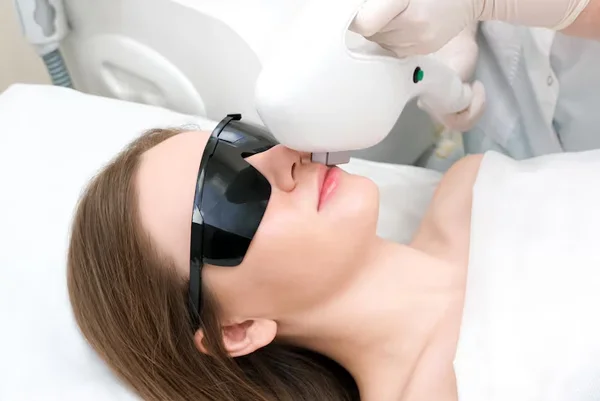
Laser Application: A suitable laser device is used to deliver controlled energy to the targeted hair follicles. Protective eyewear is required during the procedure.
Aftercare: The treated area may experience temporary redness, warmth, or mild swelling. Following aftercare instructions helps support skin recovery.
The duration of a session depends on the size of the treatment area and the equipment used.
Laser hair removal can be performed on a range of skin tones, but the choice of device and settings is important. Different lasers interact differently with skin pigment and hair pigment.
Dark, coarse hair generally responds better than very fine, white, grey, blonde, or red hair. A professional assessment helps determine whether laser treatment is likely to be effective and which approach may be appropriate.
Laser hair removal may not be suitable for every patient or every facial area. Potential risks include burns, blistering, temporary pigment changes, and, rarely, scarring or increased hair growth in the treated area. Appropriate equipment, settings, and practitioner expertise are important for reducing these risks.
Before your appointment for Laser Hair Removal for Face in Greater Kailash, follow the clinic's specific instructions. General preparation may include:
These steps help the practitioner assess your skin and plan treatment appropriately.
After treatment, the skin may feel warm or appear slightly red for a short period. Gentle care can help minimise irritation.
Following aftercare advice can help protect the skin and support recovery.
Dr. Sirisha Singh holds an MBBS and an MD in Dermatology, Venereology and Leprosy, along with a postgraduate diploma in Clinical Dermatology from Queen Mary's, London. Her professional experience includes clinical work with the NHS in the United Kingdom and dermatology and cosmetology practice in New Delhi.
Her background in skin health and cosmetic treatments supports an individualised approach to facial hair concerns. A consultation can help determine whether laser hair removal is suitable, what results may reasonably be expected, and which precautions are important for your skin.
Patients seeking Laser Hair Removal for Face in Greater Kailash can contact the clinic to enquire about consultation and available treatment options.
If unwanted facial hair is affecting your skincare routine or confidence, a professional consultation can help you explore suitable hair reduction options. The right treatment plan depends on your skin tone, hair characteristics, medical history, and personal goals.
Contact the clinic to discuss facial laser hair removal and arrange an appointment with Dr. Sirisha Singh.
Most patients require multiple sessions because laser treatment works best on hairs in certain growth phases. The total number depends on the treatment area, hair characteristics, and individual response.
Laser hair removal provides long-term hair reduction, but it does not guarantee that all hair will be permanently removed. Some regrowth may occur, and maintenance sessions may be needed.
It can be suitable when performed with appropriate equipment and settings by a qualified, trained practitioner. A skin assessment is important because irritation, burns, and pigment changes are possible.
Patients may feel mild snapping, warmth, or brief discomfort during treatment. The level of discomfort varies according to the area, device, and individual sensitivity.
It may help reduce ingrown hairs by reducing hair growth, particularly in people who experience them after shaving or waxing. Results vary by individual.
You can contact Dr. Sirisha Singh's clinic in Greater Kailash, New Delhi, to enquire about a consultation, treatment suitability, and available appointment options.


