


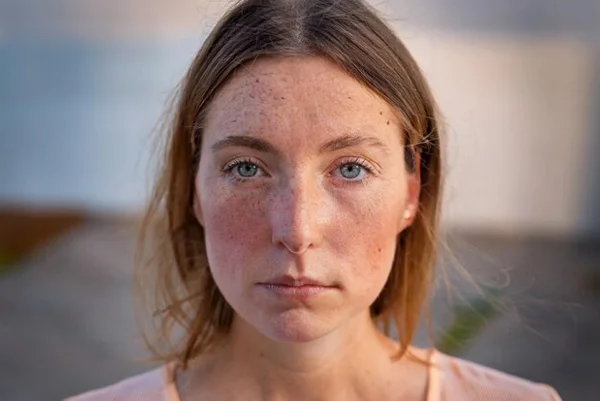
| Category | Sun Spots or Age Spots and Other Pigmented Lesions |
Sunspots, age spots, and other forms of skin pigmentation can cause uneven skin tone and visible dark patches on the face, hands, and other exposed areas. These changes may develop due to sun exposure, ageing, hormonal fluctuations, inflammation, or other skin conditions. Identifying the underlying cause is essential for choosing the right treatment.
Dr. Sirisha Singh is a dermatologist and cosmetologist with specialist qualifications in Dermatology, Venereology and Leprosy and additional clinical training in the United Kingdom. Patients seeking Sun Spots and Pigmentation Treatment in Greater Kailash can consult a dermatologist for an assessment and personalised recommendations based on their skin condition.
Pigmentation occurs when melanin, the natural pigment responsible for skin colour, accumulates unevenly in the skin. Different types of pigmented lesions can look similar but may have different causes and require different treatment approaches.
Common types include:
Sunspots: Also known as solar lentigines, these flat brown spots commonly develop on sun-exposed areas such as the face, hands, shoulders, and arms.
Age Spots: These are generally harmless, flat, brown or greyish patches associated with cumulative sun exposure and ageing. They are more common in adults with prolonged exposure to ultraviolet radiation.
Melasma: This condition causes brown or grey-brown patches, commonly on the cheeks, forehead, upper lip, and chin. Hormonal changes and sun exposure can contribute to its development.
Post-Inflammatory Hyperpigmentation: Dark marks may appear after acne, skin irritation, eczema, or an injury. These marks can be more noticeable in darker skin tones.
Other Pigmented Lesions: Moles and other pigmented growths may resemble ordinary spots. Any lesion that changes in size, shape, or colour should be medically evaluated before cosmetic treatment is considered.
Pigmentation can develop due to several factors, including:
A dermatological assessment helps distinguish between these causes and determine the most appropriate management plan.
The choice of Pigmentation Treatment in Greater Kailash depends on the type of pigmentation, its depth, the patient's skin tone, medical history, and treatment goals.
Topical Treatments: Depending on the diagnosis, a dermatologist may recommend topical products containing ingredients such as azelaic acid, retinoids, or other pigment-targeting agents. These treatments may help improve selected pigmentation concerns over time.
Chemical Peels: Selected chemical peels use controlled exfoliation to improve the appearance of certain forms of uneven skin tone and superficial pigmentation. The type and strength of the peel must be chosen according to skin characteristics and the condition being treated.
Photofacial and Light-Based Treatments: Certain light-based technologies may help reduce the appearance of selected sunspots and superficial pigmentation. Suitability depends on the lesion, skin tone, and risk of post-treatment pigmentation.
Laser Treatments: Specific laser procedures may be considered for selected pigmented lesions when clinically appropriate. Different lasers target different types of pigment, and treatment requires careful assessment to reduce the risk of burns or changes in skin colour.
Sun Protection and Skincare: Broad-spectrum sunscreen and appropriate skincare are important parts of pigmentation management. Sun protection helps prevent existing pigmentation from worsening and reduces the likelihood of new spots developing.
Not every pigmented lesion should be treated cosmetically. A dermatologist should examine suspicious or changing spots before any procedure is performed.
Professional assessment and personalised treatment may help patients manage pigmentation more effectively.
Treatment results vary according to the type and depth of pigmentation, the treatment selected, and individual skin response. Some conditions, particularly melasma, may require long-term maintenance.
Consistent skincare and sun protection play an important role in preventing pigmentation from worsening.
These measures are particularly important for people who are prone to melasma, sunspots, or post-inflammatory hyperpigmentation.
Dr. Sirisha Singh holds an MBBS and an MD in Dermatology, Venereology and Leprosy, along with a postgraduate diploma in Clinical Dermatology from Queen Mary's, London. Her professional experience includes working with the NHS in the United Kingdom and practising dermatology and cosmetology in New Delhi.
Her dermatological background supports the assessment of different skin concerns and the selection of appropriate treatment options. Since sunspots, melasma, and other pigmented lesions can have different causes, accurate evaluation is an important part of treatment planning.
Patients seeking Sun Spots and Pigmentation Treatment in Greater Kailash can consult Dr. Singh to discuss their concerns, understand available options, and receive guidance on maintaining healthier-looking skin.
Consider a consultation if dark spots persist, pigmentation continues to worsen, or over-the-counter skincare products have not helped. Professional assessment is especially important for spots that change in size, shape, or colour, develop irregular borders, bleed, or appear unusual.
Avoid using strong bleaching agents or unverified home remedies, as these may irritate the skin and worsen pigmentation. A dermatologist can help determine whether the concern requires medical treatment, cosmetic management, or further investigation.
If you are concerned about sunspots, age spots, melasma, or uneven skin tone, a dermatology consultation can help identify the cause and explore appropriate treatment options.
Contact the clinic to enquire about Sun Spots and Pigmentation Treatment in Greater Kailash and arrange a consultation with Dr. Sirisha Singh.
Treatment depends on the type of lesion, skin tone, and individual needs. Options may include topical treatments, chemical peels, or selected light-based procedures after a dermatologist's assessment.
Some forms of pigmentation can improve significantly, but recurrence is possible, particularly with continued sun exposure or conditions such as melasma. Maintenance skincare and sun protection can help manage recurrence.
Improvement may take several weeks or months, depending on the cause, depth of pigmentation, and treatment used. Some conditions require ongoing management.
Not every laser is suitable for every skin type. Certain procedures can increase the risk of burns or post-inflammatory hyperpigmentation, so professional assessment and appropriate device selection are essential.
Yes. Regular use of broad-spectrum sunscreen helps protect the skin from ultraviolet radiation and may reduce the development or worsening of sunspots and other sun-related pigmentation.
You can contact Dr. Sirisha Singh's clinic in Greater Kailash, New Delhi, to enquire about a consultation and discuss suitable options for sunspots, age spots, and other pigmentation concerns.


