


| Category | Melasma Treatment |
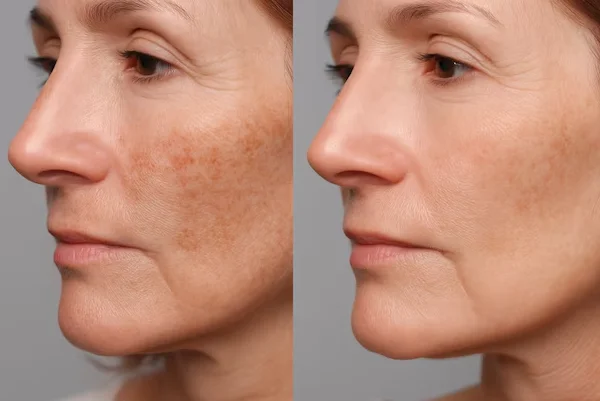
Melasma is a common skin condition that causes brown, grey-brown, or dark patches to appear on the face. It usually affects areas such as the cheeks, forehead, bridge of the nose, upper lip, and chin. These patches develop due to increased melanin production, the pigment responsible for skin colour. Although melasma is generally harmless, it can affect skin appearance and confidence.
If you are looking for melasma treatment in Greater Kailash, Dr. Sirisha Singh offers dermatological assessment to help identify pigmentation concerns and determine suitable treatment options according to your skin type, symptoms, and medical history.
Melasma can be persistent and may return even after improvement. A dermatologist can help manage the condition through an appropriate combination of skincare, sun protection, and medical treatments.
Melasma can develop due to several contributing factors. Understanding these factors helps guide treatment and reduce the likelihood of recurrence.
Melasma may have more than one contributing factor. A professional assessment can help distinguish it from other pigmentation disorders that may require different treatment.
Melasma generally appears as flat, irregular patches of pigmentation rather than raised or textured lesions. Common features include:
Melasma is not usually painful or itchy. However, sudden changes, unusual lesions, or pigmentation with other symptoms should be evaluated by a qualified dermatologist rather than assumed to be melasma.
Effective melasma management depends on the depth of pigmentation, skin type, possible triggers, and response to previous treatments. Dr. Sirisha Singh can assess these factors and recommend a treatment plan appropriate to the individual.
The first step is an evaluation of the affected areas, the duration of pigmentation, previous treatments, current skincare routine, sun exposure, and relevant medical history. This assessment helps determine whether the patches are consistent with melasma or another pigmentation condition.
Depending on the diagnosis, a dermatologist may recommend creams containing ingredients that help reduce excess pigmentation. Options may include selected pigment-reducing agents, retinoids, or other prescription formulations. Not every ingredient is suitable for every person, and some treatments are inappropriate during pregnancy or breastfeeding.
Patients should avoid using unprescribed bleaching creams or strong combination products, as they may cause irritation, skin thinning, or worsening pigmentation.
In selected cases, a dermatologist may consider a carefully chosen chemical peel to improve uneven skin tone. The type and strength of the peel should be appropriate for the patient's skin and pigmentation pattern. Improperly selected peels can cause irritation and post-inflammatory hyperpigmentation, so professional guidance is important.
Certain laser or light-based procedures may be considered for selected pigmentation concerns, but they are not suitable for every melasma patient. Results can vary, and some procedures may worsen pigmentation or lead to recurrence. A dermatologist should assess the potential benefits and risks before recommending a procedure.
Sun protection is an essential part of melasma management. Daily use of broad-spectrum sunscreen, with visible-light protection such as a tinted formulation containing iron oxides when appropriate, may help prevent pigmentation from worsening. Reapplication during outdoor exposure, protective clothing, and shade are also helpful.
A gentle cleanser, moisturiser, and non-irritating skincare routine can support the skin barrier and reduce unnecessary inflammation.
Consulting a dermatologist for melasma treatment in Greater Kailash can help you:
Melasma often requires ongoing care rather than a one-time procedure. Improvement may take several weeks or months, and complete or permanent clearance cannot be guaranteed.
Dr. Sirisha Singh is a dermatologist and cosmetologist with specialist training in India and the United Kingdom. Her qualifications include MBBS, MD in Dermatology, Venereology and Leprosy, and a postgraduate diploma in Clinical Dermatology.
For patients seeking melasma treatment in Greater Kailash, a personalised dermatological consultation can help establish an appropriate plan based on the type of pigmentation, skin sensitivity, and treatment history. The goal is to manage pigmentation safely while supporting healthier-looking skin and realistic expectations.
Alongside professional treatment, everyday habits can support better pigmentation management:
Persistent facial pigmentation can be frustrating, particularly when it returns after treatment. A dermatologist can help assess your skin, discuss suitable options, and create a management plan tailored to your needs.
If you are considering melasma treatment in Greater Kailash, consult Dr. Sirisha Singh for an individual skin assessment and guidance on available treatment options.
The most suitable treatment depends on the severity of pigmentation, skin type, contributing factors, and previous treatment response. Management may include sun protection, prescription topical products, and selected in-clinic procedures recommended by a dermatologist.
Melasma can often be improved, but it may recur because sun exposure, hormonal changes, and other triggers can continue to stimulate pigmentation. Long-term sun protection and maintenance skincare are important.
Improvement often takes several weeks to a few months, depending on the treatment and individual response. Consistency with prescribed products and sun protection is essential.
Yes. Daily broad-spectrum sunscreen is an important part of melasma management. A tinted sunscreen containing iron oxides may provide additional protection against visible light, which can worsen pigmentation in some people.
They may be considered for selected patients, but they are not appropriate for everyone. Some procedures can trigger irritation or worsen pigmentation, especially in darker skin tones, so assessment by a dermatologist is important.
Yes. Melasma is a recurrent condition, and pigmentation may return after improvement. Ongoing sun protection, appropriate skincare, and follow-up care can help manage recurrence.
Consider a consultation if pigmentation persists, spreads, returns after treatment, or does not improve with basic skincare. A dermatologist can assess the patches and distinguish melasma from other causes of pigmentation.


