

| Category | Dermaroller |
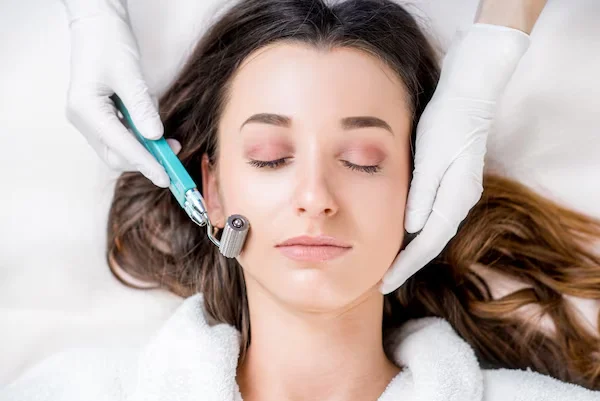
Dermaroller treatment is a minimally invasive skin procedure that uses a device with fine needles to create controlled micro-injuries in the skin. This process stimulates the skin's natural repair response and may support collagen production. Depending on the individual's skin concerns, microneedling may help improve the appearance of acne scars, uneven skin texture, enlarged pores, and certain superficial lines.
If you are looking for Dermaroller treatment in Greater Kailash, Dr. Sirisha Singh can assess your skin concerns and help determine whether microneedling is an appropriate option. Treatment suitability depends on your skin type, medical history, the nature of your concern, and previous skin treatments.
Dermaroller treatment may be considered for selected cosmetic skin concerns, including:
The results vary from person to person. Dermaroller treatment cannot remove every scar or permanently eliminate all signs of ageing. A dermatologist should first identify the underlying skin concern before recommending a procedure.
Dermaroller treatment uses a specialised device fitted with fine needles. When used appropriately by a trained professional, the needles create controlled microchannels in the skin. These stimulate a wound-healing response involving collagen and other skin-repair processes.
The treatment process usually involves the following steps.
The dermatologist examines your skin, identifies the concern being treated, and reviews your medical history. Active acne, skin infections, a tendency to develop raised scars, and certain medical conditions may affect whether the procedure is suitable.
The treatment area is cleansed and prepared using appropriate clinical techniques. A topical numbing product may be used when indicated to improve comfort.
The professional uses suitable equipment and needle settings according to the treatment area and skin concern. The procedure should be performed using sterile equipment and appropriate infection-control measures.
Following treatment, the skin may appear red or feel warm, similar to mild sunburn. Temporary swelling, sensitivity, or pinpoint bleeding may occur, depending on the treatment intensity. The dermatologist provides guidance on gentle skincare, sun protection, and when to restart active skincare products.
When appropriately selected, professional microneedling may offer several benefits:
The number of sessions required depends on the severity of the concern, the device used, and the individual's response. Multiple treatments may be needed, and results generally develop gradually rather than immediately.
Dermaroller treatment may be appropriate for adults who want to address certain scars, uneven texture, or early signs of skin ageing. However, a consultation is important before starting treatment.
Microneedling may need to be delayed or avoided in people with active skin infections, inflamed acne, certain inflammatory skin conditions, a history of keloid scarring, or impaired wound healing. Recent isotretinoin use and other medications or medical conditions should also be discussed with the dermatologist.
People with darker skin tones can sometimes develop post-inflammatory hyperpigmentation after skin procedures. Careful assessment and appropriate treatment settings are particularly important to reduce this risk.
Acne scars can remain after active pimples have healed and may affect skin texture and confidence. Microneedling may help improve the appearance of some atrophic, or depressed, acne scars by stimulating collagen remodelling.
However, not all scars respond in the same way. Deep ice-pick scars, raised scars, and scars associated with ongoing acne may require other treatments or a combination of procedures. Active acne should generally be controlled before scar-focused microneedling is considered.
A dermatologist can evaluate the scar type and recommend an appropriate treatment approach based on the expected benefits and risks.
Microneedling may also be used to address selected concerns related to skin texture and early ageing. By stimulating the skin's repair response, it may gradually improve the appearance of fine lines and uneven texture.
It is important to maintain realistic expectations. Dermaroller treatment is not a surgical facelift and cannot reliably remove deep wrinkles or significant skin laxity. The most appropriate option depends on the individual's skin condition and desired outcome.
Choosing professional Dermaroller treatment in Greater Kailash allows patients to receive an assessment before undergoing a procedure. Dr. Sirisha Singh is a dermatologist and cosmetologist with specialist qualifications in Dermatology, Venereology and Leprosy, along with additional clinical dermatology training in the United Kingdom.
A personalised consultation can help establish whether microneedling is suitable, which concerns may respond, and what aftercare is required. Treatment should always be selected according to individual needs rather than using the same approach for every skin type.
Appropriate aftercare supports skin recovery and helps reduce the risk of irritation.
Do not attempt professional-depth microneedling at home. Inadequate sterilisation or incorrect technique can lead to infection, scarring, and pigmentation changes.
If you want to improve acne scars, uneven skin texture, or selected signs of skin ageing, a professional skin assessment can help you explore suitable options. Dermaroller treatment may be helpful for some concerns, but the expected outcome depends on your skin condition and treatment plan.
Consult Dr. Sirisha Singh in Greater Kailash to discuss your concerns and determine whether professional microneedling is appropriate for your skin.
Dermaroller treatment is a form of microneedling that may help improve selected acne scars, uneven skin texture, and some fine lines by stimulating the skin's natural repair response.
Discomfort varies depending on the treatment area, needle depth, and individual sensitivity. A topical numbing product may be used when appropriate. Temporary redness and sensitivity are common after treatment.
The number of sessions depends on the skin concern and its severity. Some people may need several sessions spaced apart, while others may be advised to consider a different treatment. Your dermatologist can suggest an appropriate schedule.
Some changes in skin texture may develop over several weeks, while collagen-related improvements can take longer. Results are gradual and vary between individuals.
No. Microneedling may improve the appearance of certain depressed acne scars, but complete removal cannot be guaranteed. Some scar types respond better to alternative or combined treatments.
It is not suitable for everyone. People prone to pigmentation, keloid scars, active infections, or certain inflammatory skin conditions may need additional assessment or alternative treatments.
Avoid harsh exfoliants, irritating active ingredients, unnecessary sun exposure, and picking at the treated skin during recovery. Follow your dermatologist's specific aftercare instructions.
You can consult Dr. Sirisha Singh in Greater Kailash for a dermatological assessment and guidance on whether microneedling is suitable for your skin concerns.


