

| Category | Chemical Peel |
A chemical peel is a dermatological procedure that uses a carefully selected chemical solution to exfoliate the skin. It helps remove damaged outer skin cells and encourages the development of smoother-looking skin. Depending on the peel type and strength, treatment may improve uneven skin tone, selected acne marks, rough texture, and certain signs of sun damage.
If you are looking for chemical peel treatment in Greater Kailash, Dr. Sirisha Singh can assess your skin concerns and recommend suitable options based on your skin type, sensitivity, medical history, and treatment goals.
Chemical peels vary in depth and intensity. Superficial peels generally involve less recovery time, while medium-depth peels require more careful selection and aftercare. The right option depends on the condition being treated and the potential benefits and risks.
Chemical peels may be used to manage several cosmetic skin concerns when appropriately selected.
Not every type of pigmentation or acne scar responds to a chemical peel. A dermatologist should evaluate the concern before treatment, particularly if you have melasma or a tendency to develop dark marks after skin irritation.
A chemical peel uses an appropriate solution to loosen and remove cells from the skin's outer layers. The process encourages exfoliation and skin renewal. The effect depends on the ingredient, concentration, application time, and depth of the peel.
The treatment process generally includes the following stages.
The dermatologist evaluates your skin type, current concerns, medical history, existing skincare routine, and previous cosmetic treatments. Active infections, certain skin conditions, recent procedures, and a history of pigmentation changes may affect treatment suitability.
Different peeling agents address different concerns. Depending on your skin and diagnosis, a professional may consider ingredients such as glycolic acid, salicylic acid, lactic acid, or other suitable formulations. The strength and type should be selected carefully to reduce the risk of irritation and pigmentation changes.
The skin is cleansed and prepared according to the selected treatment protocol. You may be advised to adjust certain skincare products before the procedure. Follow the dermatologist's instructions rather than starting or stopping prescription products independently.
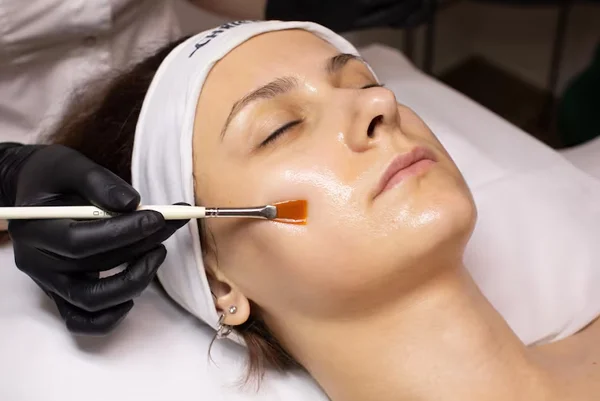
The selected solution is applied by a trained professional for an appropriate duration. You may experience temporary tingling, warmth, or stinging. The solution is then neutralised or removed when required by the product's protocol.
The skin may feel sensitive, appear red, or peel lightly in the days following treatment. Recovery depends on the peel's depth. The dermatologist will explain how to cleanse, moisturise, protect the skin, and restart your usual skincare routine safely.
Professional chemical peel treatment in Greater Kailash begins with selecting an approach that matches your skin concerns and tolerance.
Some superficial peels, including selected salicylic acid formulations, may help manage mild acne by supporting exfoliation and reducing clogged pores. However, peels are not suitable for every type of acne and may not replace other treatments. Active, severe, or painful acne should be assessed by a dermatologist.
Selected peels may help improve some forms of superficial pigmentation and uneven skin tone. Melasma and pigmentation-prone skin require particular care because irritation can make dark patches worse. A dermatologist may recommend other treatments or a combination approach depending on the diagnosis.
Certain peels may help improve rough texture, superficial sun damage, and fine lines. The results depend on the depth of treatment and the skin concern. Deep wrinkles and significant skin laxity generally require different treatment approaches.
For suitable candidates, chemical peels may provide several benefits:
Results vary by individual, peel type, and skin condition. Multiple sessions may be recommended for some concerns, while others may require alternative treatments. A chemical peel cannot guarantee permanent removal of pigmentation, acne marks, or wrinkles.
Chemical peels may be appropriate for people who want to improve selected concerns such as mild acne, uneven tone, rough texture, or superficial sun damage. A professional consultation is essential to determine suitability.
People with active skin infections, open wounds, significant irritation, certain inflammatory skin conditions, or a history of abnormal scarring may need to avoid or delay treatment. Recent isotretinoin use, a history of cold sores, pregnancy, breastfeeding, and other medical factors should be discussed with the dermatologist before a peel is planned.
People with darker skin tones may be more prone to post-inflammatory hyperpigmentation after irritation. Appropriate peel selection, conservative treatment settings, and careful aftercare are important to minimise this risk.
Different skin types can respond differently to peeling agents. Oily or acne-prone skin may benefit from selected formulations, while sensitive or dry skin may require a gentler approach. Skin that is prone to pigmentation needs careful assessment before treatment.
The strength of a peel should never be chosen solely on the basis of a desired result. Stronger peels are not automatically more effective or safer for every person. Professional guidance helps balance the potential benefit with the risk of irritation, burns, scarring, or pigmentation changes.
Aftercare plays an important role in skin recovery and helps reduce the risk of complications.
Seek medical advice if you develop severe pain, blistering, increasing swelling, signs of infection, or unexpected changes in skin colour.
Dr. Sirisha Singh is a dermatologist and cosmetologist with an MBBS, an MD in Dermatology, Venereology and Leprosy, and postgraduate training in Clinical Dermatology in the United Kingdom.
For patients considering chemical peel treatment in Greater Kailash, an individual assessment can help identify the concern being treated, select a suitable peel, and establish realistic expectations. The aim is to improve the appearance of the skin while prioritising safety and appropriate aftercare.
If you are concerned about acne, uneven skin tone, rough texture, or superficial sun damage, a dermatologist can help you explore suitable treatment options. Chemical peels may be helpful for selected concerns, but the right formulation and treatment schedule depend on your skin.
Consult Dr. Sirisha Singh in Greater Kailash for personalised guidance and an assessment of whether chemical peel treatment is appropriate for you.
Chemical peels may help improve selected skin concerns, including mild acne, uneven skin texture, some superficial pigmentation, and mild sun damage. The appropriate peel depends on your skin condition and treatment goals.
Chemical peels can be used safely in appropriately selected patients when performed by a trained professional. Possible side effects include redness, irritation, peeling, and changes in skin pigmentation. Incorrect use can cause burns or scarring.
The number of sessions depends on the skin concern, peel type, and individual response. Some people may benefit from a series of superficial peels, while others may need a different treatment approach.
Recovery varies according to the peel's depth. Mild redness or peeling after a superficial peel may settle within several days, while stronger peels may require a longer recovery period.
Selected peels may improve some acne marks and superficial pigmentation. However, melasma and pigmentation-prone skin need careful assessment because irritation can worsen dark patches.
You may be able to resume routine activities depending on the peel, but sun protection is essential. Use the recommended sunscreen, limit direct exposure, and follow your dermatologist's recovery instructions.
Some people with sensitive skin may be suitable for carefully selected superficial treatments, while others may need alternative options. The dermatologist should assess skin sensitivity and the risk of irritation before proceeding.
You can consult Dr. Sirisha Singh in Greater Kailash for a skin assessment and guidance on suitable chemical peel options based on your skin type and concerns.


